Everyone has given a handmade object that ended up in a cupboard. It is almost never a question of craftsmanship — it is a question of what was chosen at the start.
Looking at what comes back and what disappears, two rules emerge.
Rule 1: it must be useful, or purely not
The objects that survive are either plainly useful (a bag, coasters, a scarf) or plainly decorative (a figure, a frame). It is the ones in between that die: the slightly wonky catch-all dish, the keyring too bulky for a pocket.
A half-useful object forces the person to decide whether it deserves a place. They rarely decide in your favour.
Rule 2: it must look like them, not like you
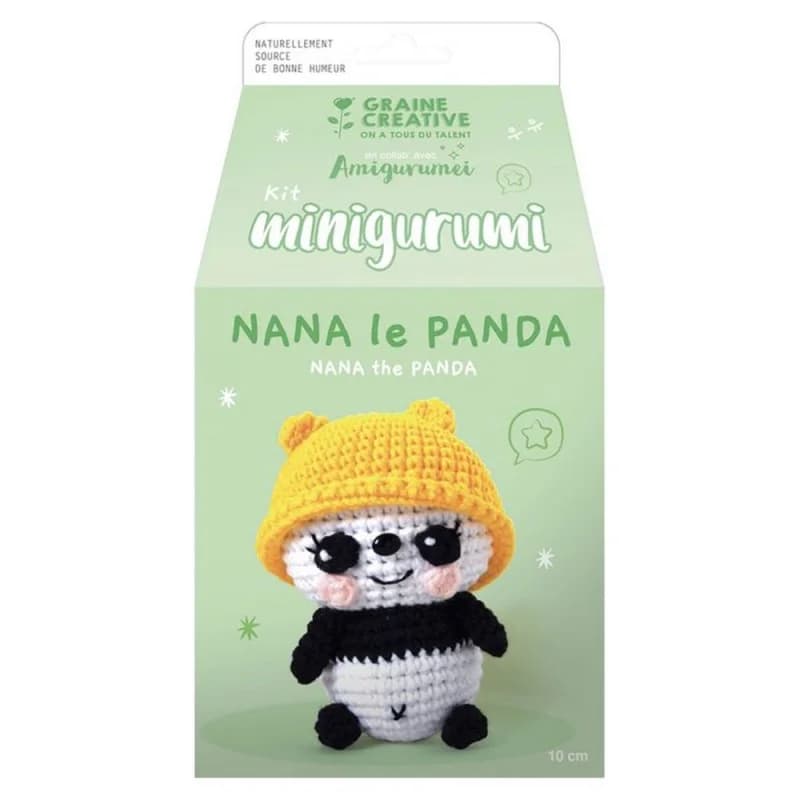
This is the handmade trap: we make what we enjoy making. A crocheted panda is a wonderful gift — for someone who likes cute things. Given to someone whose flat is grey and black, it ends up in a drawer despite every effort.
The test fits in one question: could this person have bought this object themselves?
Five safe bets
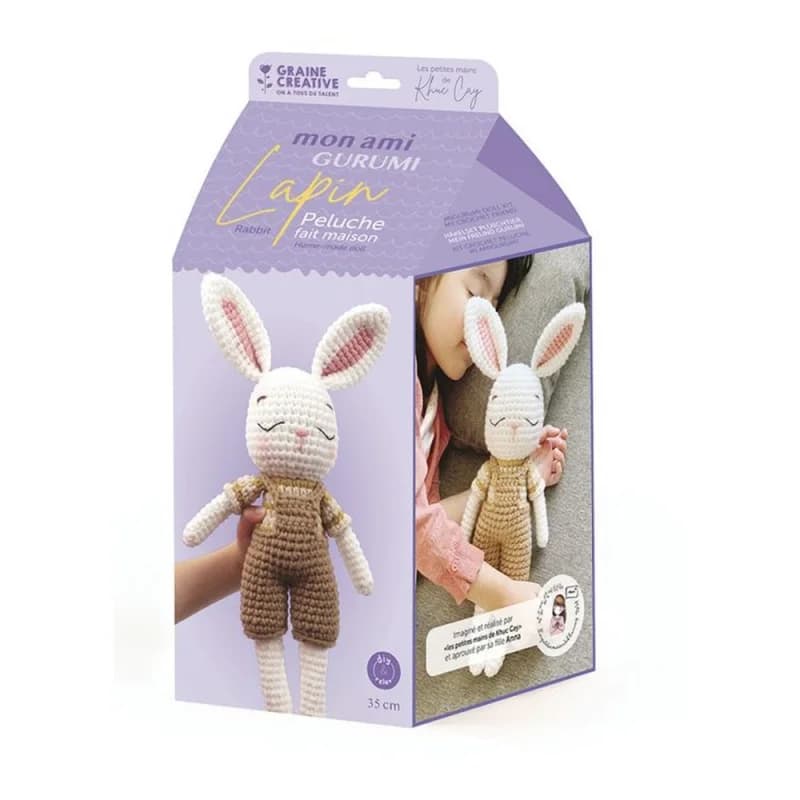
A small crocheted animal
Personal, cute, and nobody expects to receive one. The most gifted thing in our catalogue.
A bouquet of everlasting flowers
The most requested Mother's Day gift. It doesn't wilt, which is precisely the argument.
Coasters
Useful every day, so never put away. The highest survival rate on the list.
A dried-flower frame
Unapologetically decorative, and it hangs where people look.
A hand-poured candle
It gets used up, so it never raises the question of where to keep it. Often underrated for that reason.
And if you give the kit rather than the object
It is often the better of the two: you are not giving an object, you are giving an evening. Check two things before ordering — that the box arrives presentable, and above all that it arrives in time. The delivery date is the real risk with a handmade gift, not the quality of the kit.